
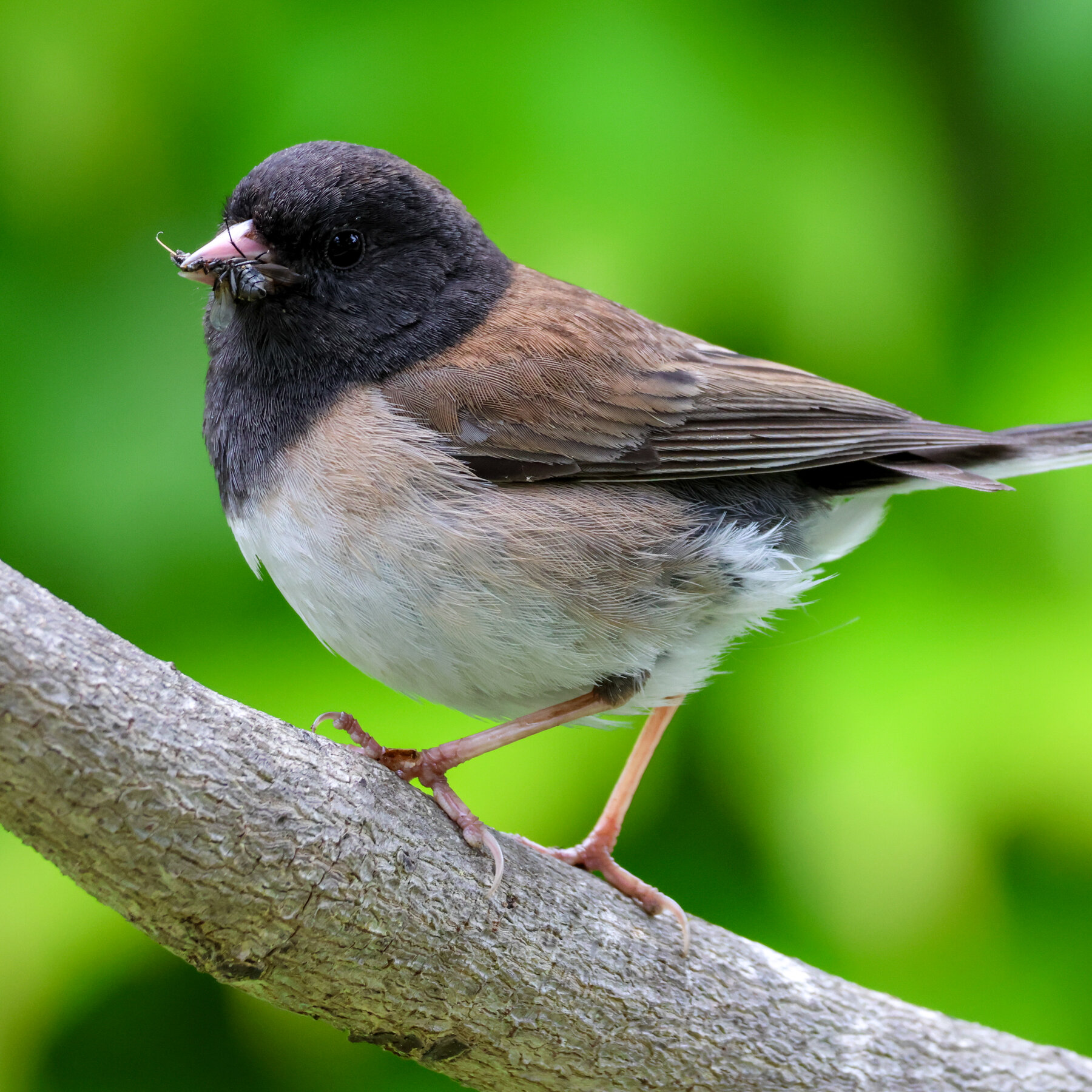
How the Pandemic Lockdowns Changed a Songbird’s Beak
How the Pandemic Lockdowns Changed a Songbird’s Beak
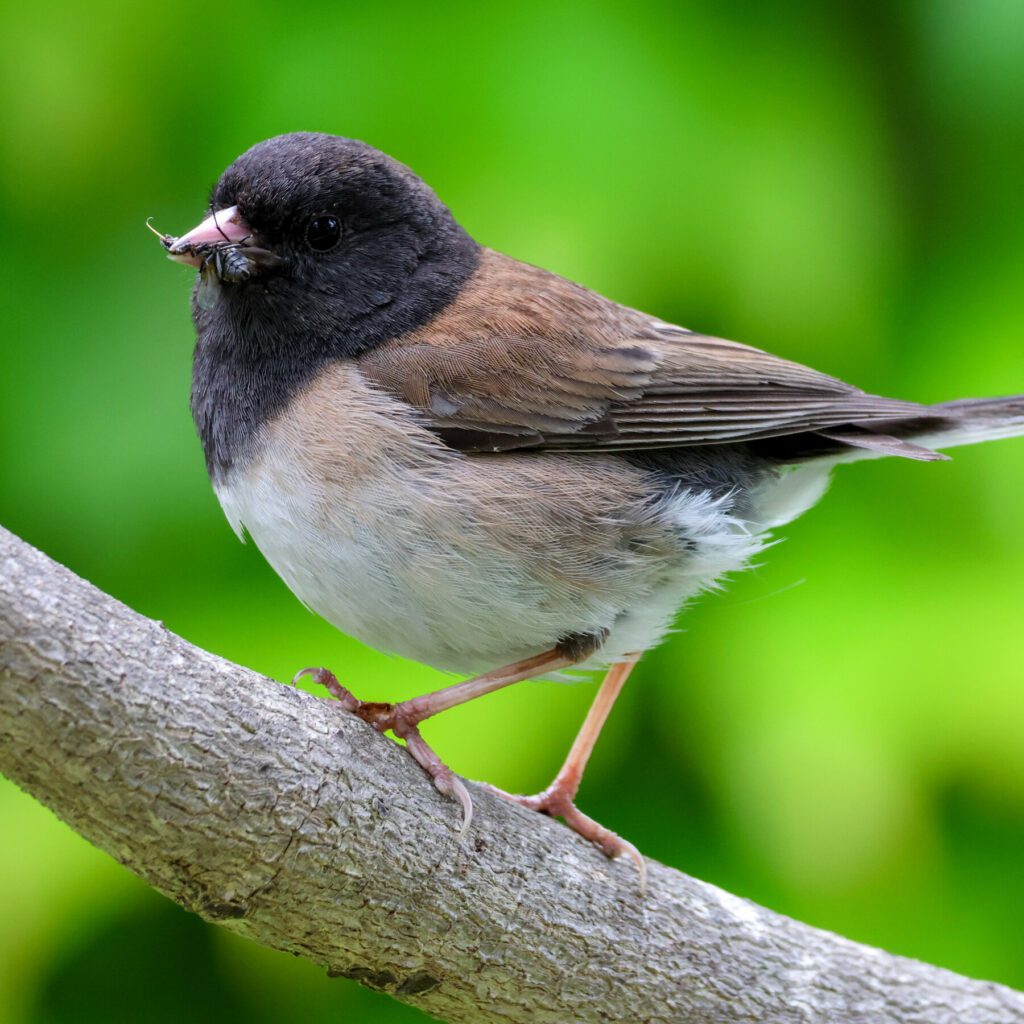
For ecologists, the Covid-19 pandemic has presented a remarkable natural experiment in what can happen to wild animals when humans stay home.
Read the full article on NY Times World
Truth Analysis
Analysis Summary:
The article's central claim about pandemic lockdowns changing a songbird's beak is weakly supported by the provided sources. While sources mention the pandemic's impact on bird behavior and human interest in birds, none directly confirm beak changes. The article exhibits moderate bias by selectively focusing on a specific narrative without strong corroborating evidence.
Detailed Analysis:
- Claim: The Covid-19 pandemic presented a natural experiment in what can happen to wild animals when humans stay home.
- Verification Source #5: Confirms that lockdowns gave volunteers a distraction from the stresses of the pandemic.
- Assessment: Supported, but indirectly. Source 5 mentions the pandemic's impact and increased observation of birds.
- Claim: Pandemic lockdowns changed a songbird's beak.
- Verification Source #1: Mentions that when a bird's beak is more open, their vocal tract is short.
- Verification Source #4: States 'Birds Haven't Changed'.
- Assessment: Contradicted. Source 4 directly refutes the claim that birds changed. Source 1 discusses beak opening and vocal tract length, but doesn't link it to pandemic-related changes. This claim is not well-supported by the provided sources.
Supporting Evidence/Contradictions:
- Source 4: 'Birds Haven't Changed'
- Source 1: 'When their beak's more open, their vocal tract is short, like a piccolo.'