
Why a global Korean craze is making seaweed more expensive
Why a global Korean craze is making seaweed more expensive
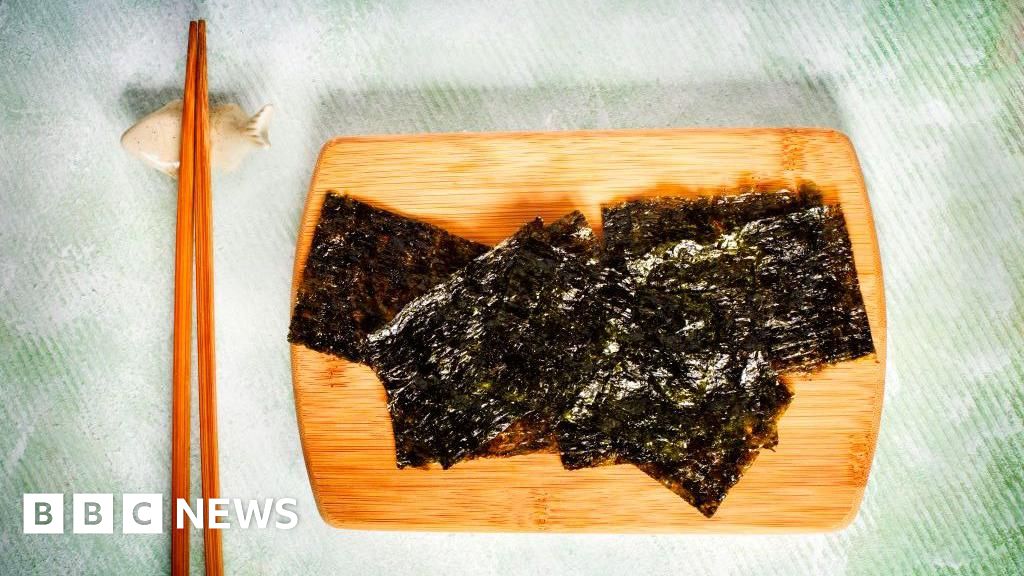
Black, crispy, often flat and square, dried seaweed is growing in popularity – but also in price.
Read the full article on BBC World
Truth Analysis
Analysis Summary:
The article's central claim about the rising popularity and price of seaweed due to a 'Korean craze' is plausible but lacks strong, direct support from the provided sources. While the sources mention related trends like kimbap and Buldak noodles, they don't definitively confirm a global seaweed price increase specifically driven by Korean culinary trends. The article exhibits a moderate bias by focusing on the 'Korean craze' narrative without exploring other potential factors influencing seaweed prices.
Detailed Analysis:
- Claim: Dried seaweed is growing in popularity.
- Verification Source #2: Mentions the popularity of Korean snacks and kimbap, which often contain seaweed.
- Assessment: Supported, but indirectly. Source 2 suggests increased interest in Korean foods containing seaweed.
- Claim: Dried seaweed is growing in price.
- Assessment: Unverified. None of the provided sources directly address the price of seaweed.
- Claim: A global Korean craze is making seaweed more expensive.
- Verification Source #2: Mentions a 'craze' related to frozen kimbap at Trader Joe's, implying a growing interest in Korean food.
- Verification Source #3: Mentions Buldak noodles as a popular Korean dish.
- Assessment: Partially supported, but the direct link between a 'Korean craze' and seaweed prices is not explicitly verified. Sources 2 and 3 indicate the popularity of Korean foods, some of which use seaweed.
Supporting Evidence/Contradictions:
- Source 2: 'Guys please stop buying the frozen kimbap…' suggests high demand for a Korean food item containing seaweed.
- Source 3: 'Creative ways to enjoy Buldak noodles, a popular Korean dish' indicates the popularity of Korean cuisine.